
Getting Started With the Tin Whistle
Learn the fundamentals of tin whistle playing with our beginner-friendly guide. From your first breath to playing complete tunes, we'll walk you through everything you need to know.

Why Start With the Tin Whistle?
The tin whistle is the perfect entry point into traditional Irish music. It's affordable, portable, and you can learn your first tune within days — not months. We've seen people in their 40s, 50s, and 60s pick up a whistle for the first time and genuinely enjoy it.
Unlike some instruments, there's no intimidating learning curve. You don't need to understand music theory to start. The whistle responds quickly to effort, which means you'll get real satisfaction fast. Plus, once you learn the basics, you'll be ready to join a céilí session or folk jam night with other players.

Getting Your Breath Right
Breathing is everything on the whistle. It's not about blowing hard — it's about controlled, steady airflow. Most beginners make the same mistake: they blow too forcefully and get a squeaky, uncontrolled sound.
Here's what works: Take a normal breath through your mouth. Don't fill your lungs completely — just a comfortable breath. Now imagine you're fogging up a mirror with your breath, not blowing out birthday candles. That gentle, sustained pressure is what you're aiming for.
Your embouchure (the way your mouth shapes the airflow) matters too. Keep your lips relaxed and form a small "O" shape. The whistle sits just inside your lips. Don't clench your mouth or tense up — relaxation helps you get better tone control. You'll notice the difference within the first few sessions once you get this right.
Understanding Fingering Patterns
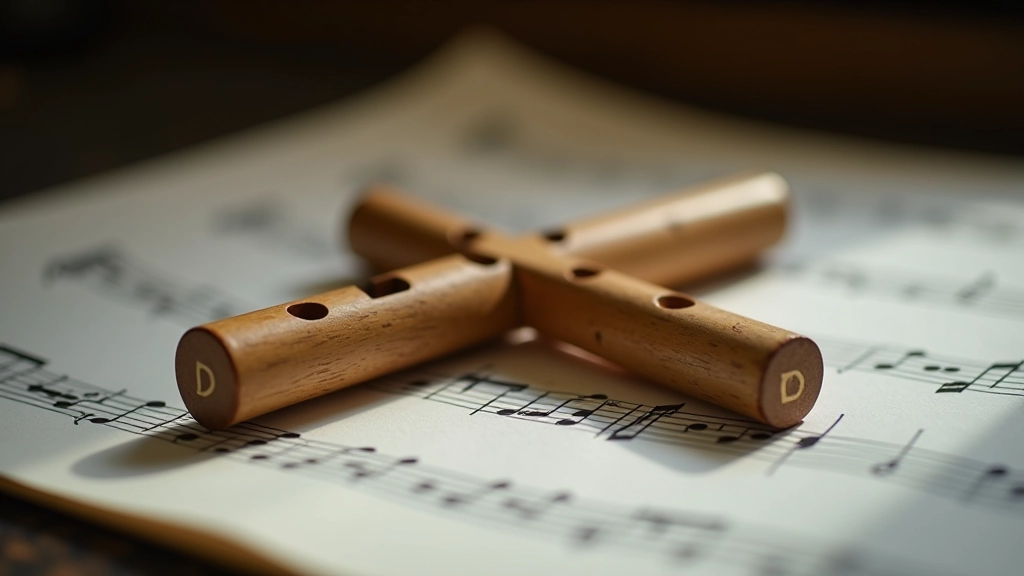
The tin whistle has six finger holes. The basic scale uses all of them in different combinations. Don't worry — you don't need to memorize everything at once.
The D Whistle Standard: Most beginners use a D whistle (the most common key). When you cover all six holes with your fingers, you get the lowest note. Open all holes and you get the highest note in the first octave. It's logical and consistent.
Start with just the basic notes: D, E, F#, G, A, B, C, and D again (one octave higher). That's your foundation. Practice moving between these notes smoothly. Don't rush into complicated fingering patterns — spend at least a week getting comfortable with these eight notes.
The physical feeling matters as much as the technique. Your fingers should rest gently on the holes, not press hard. Light coverage is better than aggressive pressure. You'll develop muscle memory naturally if you practice regularly — even 15 minutes daily beats sporadic longer sessions.

Building Your Practice Routine
You don't need to practice for hours. Consistency beats duration every time. We've seen people get better results with 15-20 minutes daily than someone practicing for two hours once a week.
A solid routine looks like this: Start with five minutes of breathing exercises to warm up your mouth and get comfortable with the whistle. Then spend 10 minutes working on note transitions — moving smoothly from one note to another without stopping. Finish with five minutes playing simple melodies or tunes you enjoy.
Your first tune might be "Mary Had a Little Lamb" or something equally simple. Pick something short with notes you've already practiced. Playing a complete melody, even a basic one, gives you real confidence. Most beginners can play a recognizable tune within 2-3 weeks of consistent practice.
Don't worry about speed. Slow and steady playing with good tone beats fast, sloppy playing every time. Once you're comfortable at a slower tempo, the speed naturally comes.
Finding Beginner Sessions and Communities
One of the best parts of learning whistle is the community aspect. Traditional music thrives on people playing together. You don't have to be advanced to join a session — many welcome absolute beginners.
Look for "beginner sessions" or "learning sessions" specifically. These are different from open sessions where everyone's at varying levels. Beginner sessions move slower, repeat tunes more often, and the atmosphere is purely about learning together. You'll find them in pubs, community centers, and folk venues across Ireland.
"Started at a Tuesday night session in my area when I was nervous about playing in front of anyone. Everyone was patient and the organizer actually spent time helping me with my fingering. Now I look forward to it every week."
Many sessions run weekly or fortnightly. Come early if you're nervous — you'll get more one-on-one help. Bring a notebook to jot down tune names and ask other players where they learned. Most musicians are genuinely happy to help someone getting started. It's not competitive — it's collaborative.

Your First Steps Start Now
Learning tin whistle isn't complicated. You need three things: a whistle (around €10-20 for a beginner model), consistent practice (15-20 minutes daily), and patience with yourself. The whistle will reward your effort quickly.
Start with breath control and the basic scale. Don't rush into complex tunes. Get comfortable with what you're doing before moving forward. Within a few weeks, you'll surprise yourself with what you can play.
Once you're ready, find a beginner session near you. Playing with others is where it really becomes enjoyable. You're not alone in this — thousands of people your age are learning the same instrument, making the same mistakes, and having genuine fun.
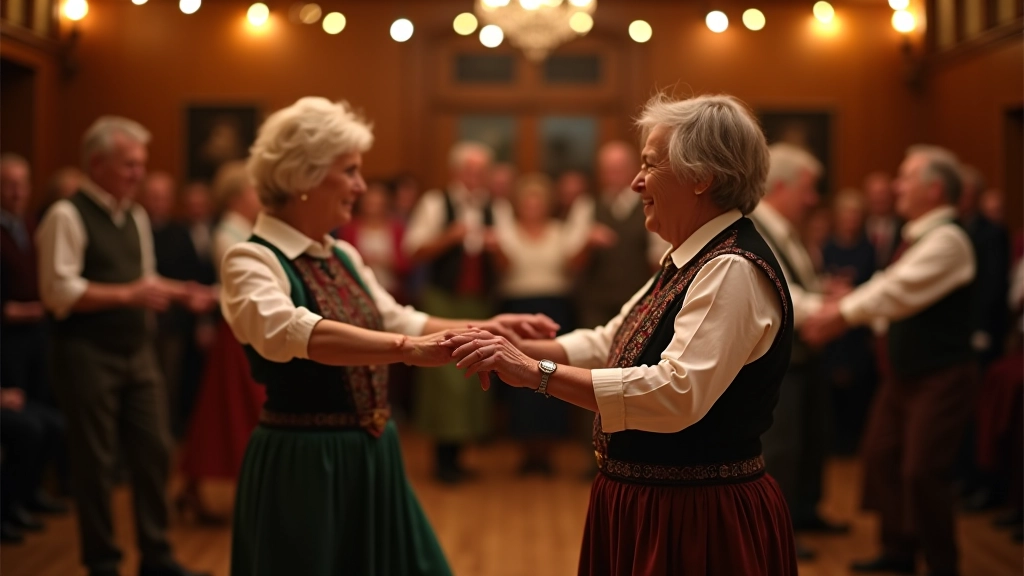
Ready to explore more about traditional music? Check out our guides on céilí dancing and folk jam nights.
Explore More Traditional Music

About This Guide
This guide is for educational and informational purposes. The techniques and approaches described here are based on traditional tin whistle teaching methods and community learning practices. Everyone learns at their own pace — some people progress faster than others, and that's completely normal. Consider finding a local instructor or joining a beginner session for hands-on feedback, as personalized guidance can be valuable as you develop your skills. The joy of traditional music comes from enjoying the process, not rushing to perfection.