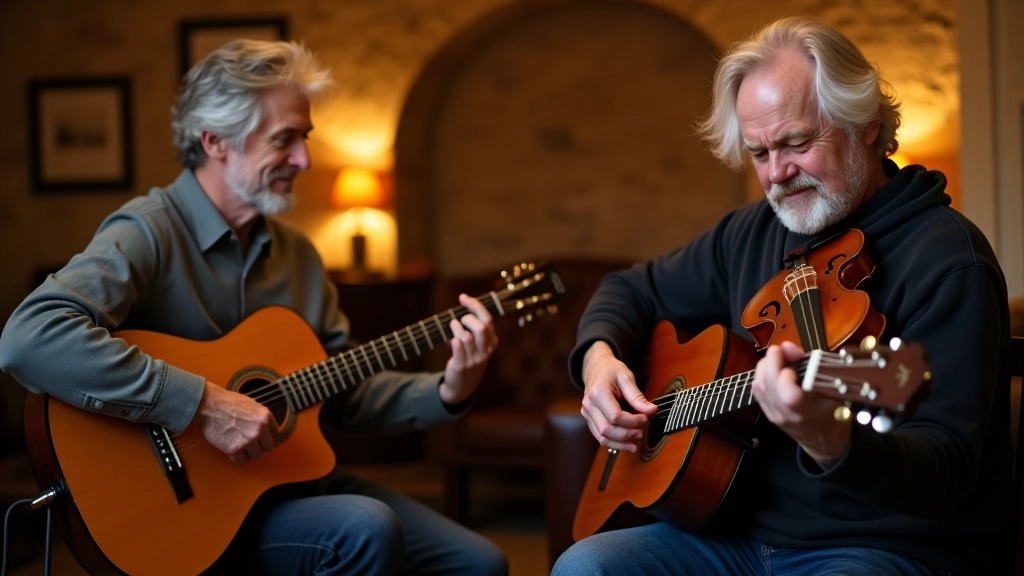
Céilí Dancing: What to Expect at Your First Evening
Nervous about attending a céilí? We'll walk you through the dances, the atmosphere, and why it's easier than you think to join in and have fun.
What Actually Happens at a Céilí?
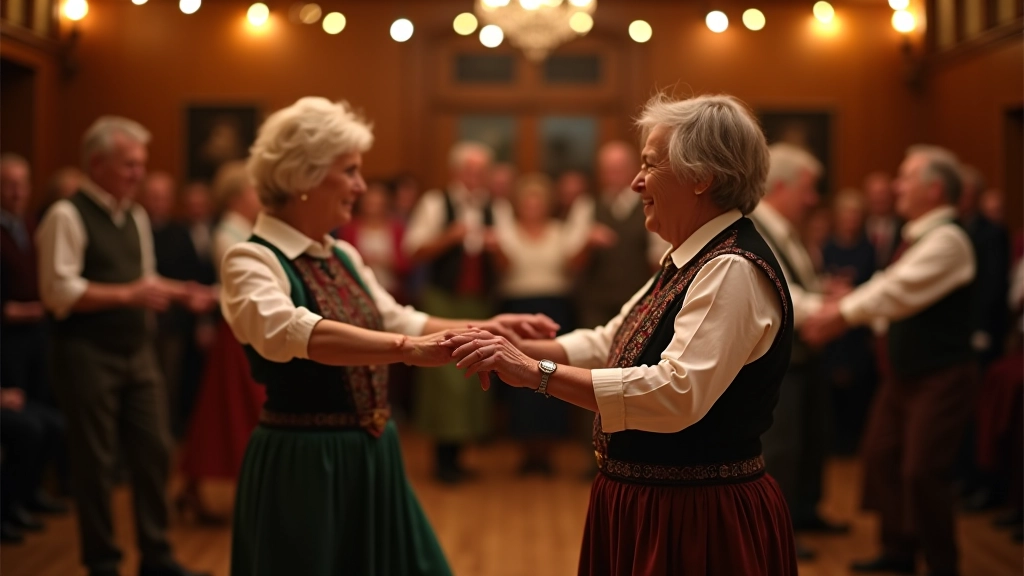
You'll walk into a hall filled with people laughing, chatting, and moving to traditional Irish music. It's not fancy. It's not quiet. It's genuinely fun — and you don't need any experience to jump in. A céilí is basically a structured dance party where everyone dances together in groups, not as individual couples. Think of it as organized chaos with a really good soundtrack.
The dances follow patterns that get called out, so you're not expected to remember everything. You'll learn as you go, and honestly, that's the whole point. Most people at céilís are there because they love the music, the movement, and the community feeling. The skill level is genuinely mixed — from absolute beginners to people who've been dancing for decades.

The Main Dances You'll Encounter
Most céilís feature around 6-8 different dances that rotate throughout the evening. Here's what you're actually looking at.
The Walls of Limerick
You'll stand in two long lines facing each other. It's straightforward — step back, step forward, side steps, turns. The caller tells you what's happening next, so you're not flying blind. Takes about 3 minutes once the music starts.
The Haymaker's Jig
Groups of four stand in squares. You'll do some spinning, some linking of arms, and honestly it feels a bit like organized madness the first time — but it flows once you get into the rhythm. The music's usually quick but the moves are manageable.
The Siege of Ennis
Couples in a circle formation. You're not doing complex footwork here — mostly walking, a bit of promenade, some hand-holding and spinning. It's relaxed and one of the more welcoming dances for newcomers.
The Actual Experience — What It Feels Like
You'll arrive and there's already music playing. People are standing around in groups, chatting. Someone will point you toward where to stand for the first dance. You'll feel a bit self-conscious — that's normal. But here's the thing: everyone else feels the same way at some point. Nobody's watching you critically. They're focused on not tripping over their own feet.
The music starts. The caller (or the band leader) announces the dance and begins calling out the moves. "Forward two, back two, turn your partner." You watch the people next to you, follow along, and suddenly you're dancing. It's not graceful. It's not perfect. But it's genuinely joyful. You'll mess up the timing occasionally — everyone does. You'll laugh it off and keep moving. That's the céilí spirit right there.
By the second or third dance, your nerves settle down. Your feet remember the patterns better. You'll start chatting with the people around you. You might end up in the next dance with completely different people. The community aspect is huge — there's an openness to welcoming newcomers that you don't always find in other dance settings.
Practical Things to Know Before You Go
Wear Comfortable Shoes
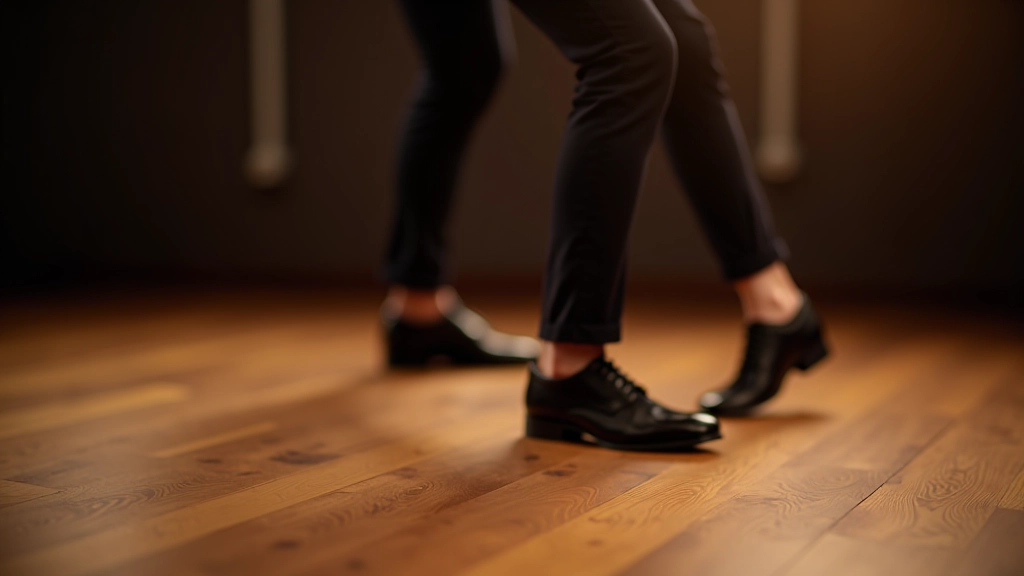
You don't need special dance shoes. Trainers work fine, or smooth-soled shoes that let your feet slide a bit. Avoid heavy boots. Your feet'll thank you after 2-3 hours of dancing.
Arrive a Bit Early
Most céilís start around 8 or 8:30pm. Come 10-15 minutes early so you can settle in, maybe grab a tea, and get your bearings. You'll feel less rushed.
Listen to the Caller
The person calling the moves isn't just announcing — they're keeping the dance synchronized. Follow their voice more than trying to remember sequences. You'll pick it up naturally.
Bring Water
You'll be moving for 2-3 hours. Most halls have a water station, but bringing your own bottle means you're not hunting during breaks. Stay hydrated.
Don't Be Afraid to Ask for Help
If you're genuinely lost during a dance, catch someone's eye and ask. People will patiently show you what's happening. There's no judgment — everyone started exactly where you are.
Enjoy the Social Side
Céilís aren't just about dancing. They're about the people. Chat during breaks, make friends, come back next month. That's where the real magic happens.
Your First Evening: You've Got This
Honestly, the hardest part is just showing up. You'll walk in feeling nervous. By the end of the first dance, you'll be smiling. By the second dance, you'll feel part of something. By the end of the evening, you'll be wondering why you didn't start earlier.
The céilí dancing community exists specifically because people want to welcome newcomers. You won't be the only beginner in the room — there never is. Everyone remembers their first night. That nervous energy you're feeling? It's completely normal, and it disappears once the music starts.
So find a céilí happening near you — most towns have them monthly or weekly — and just go. Wear comfortable shoes, bring water, and prepare to have genuinely good fun with genuinely good people. That's what it's all about.
Explore More Traditional Irish Music Guides
About This Guide
This guide is intended to provide general information about céilí dancing and what to expect at your first evening. Every céilí is slightly different — different halls, different callers, different music groups. The dances mentioned here are common ones, but your local céilí might feature slightly different variations or additional dances. Always check with your local event organizers about specific details like start times, location, and any particular requirements. If you have mobility concerns or physical limitations, it's worth contacting the organizers beforehand to discuss what's involved. Most céilís are wonderfully accommodating once they understand your needs.