

Why Sailors Sang
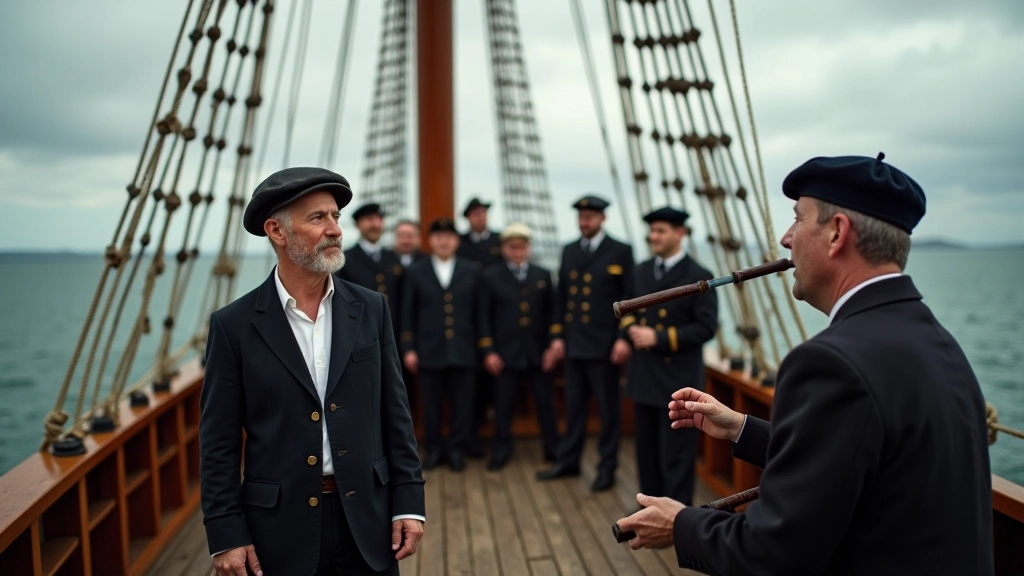
Here's the deal: shanties weren't entertainment. They were functional. When crews worked together hauling ropes or raising sails, they needed rhythm and coordination. Singing synchronized their movements. A shanty man would lead the verse, and the crew would join on the chorus. That call-and-response pattern made hard, dangerous work feel less grueling and kept everyone in time.
Different songs had different purposes. Hauling shanties had strong, steady rhythms for pulling heavy loads. Capstan shanties were slower, used when turning the ship's wheel. Pump shanties helped crews work the pumps during emergencies. By the 1800s, hundreds of regional variations existed—Scottish, Irish, English, American. Each seafaring community had its own repertoire.
What makes them special isn't just the history. It's that they still work. The melodies are memorable. The lyrics tell stories—some funny, some tragic, many cheeky. And they're designed for people without formal training to join in.