Acoustic Folk Jam Nights: How to Join and What to Bring
Everything you need to know about folk jam sessions — from finding one near you to what instruments work best, and how to contribute even if you're still learning.
What Makes a Folk Jam Special
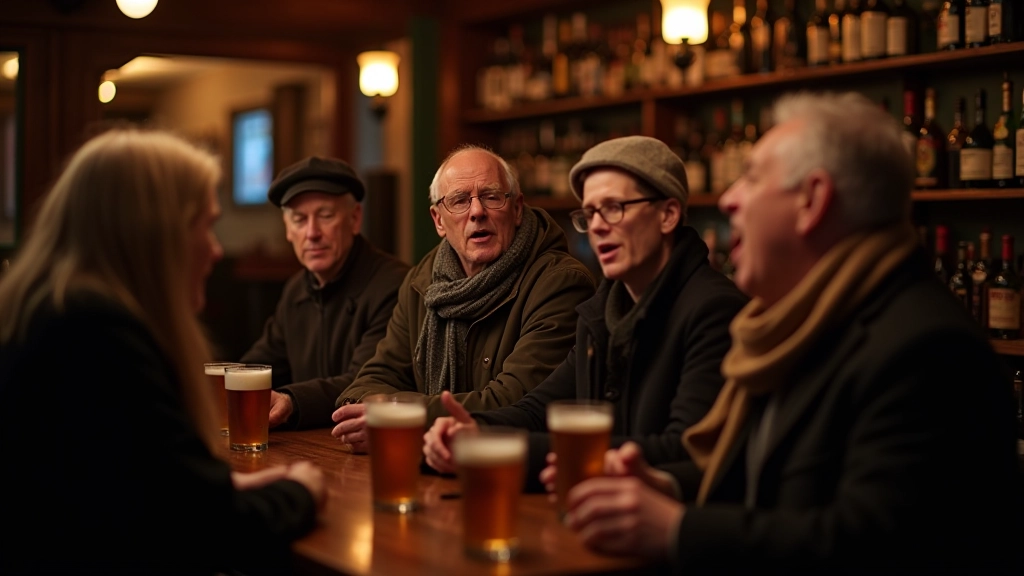
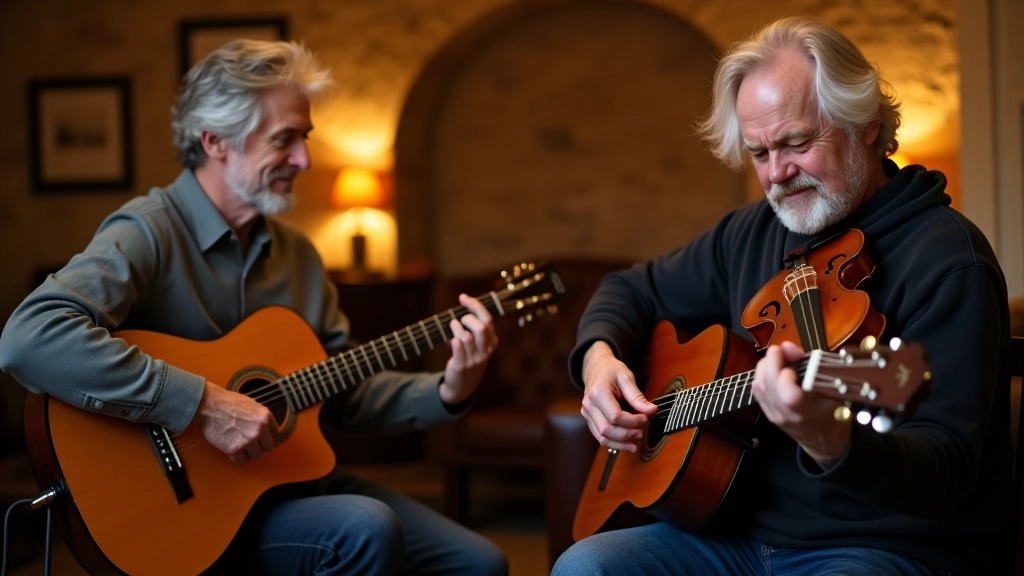
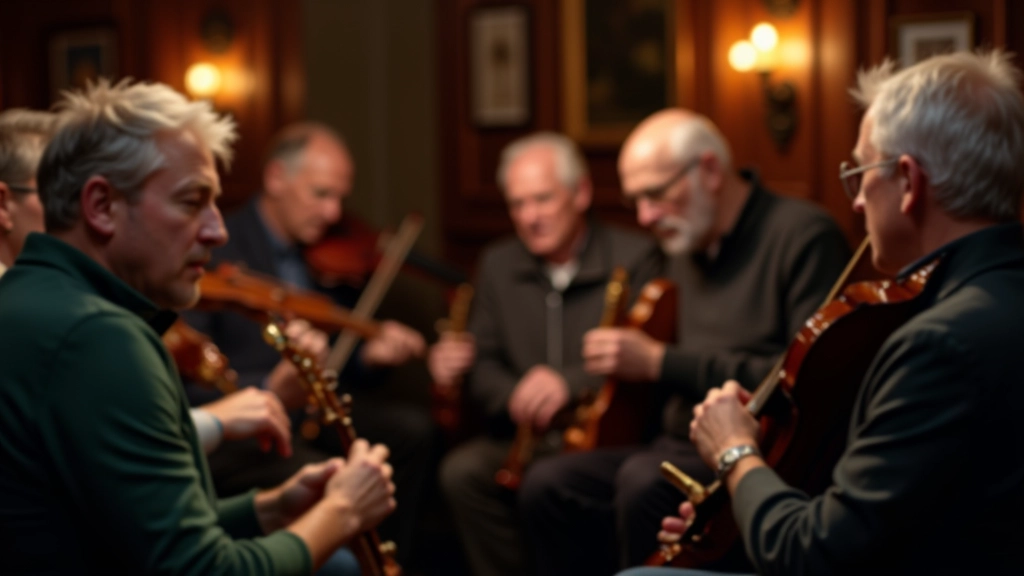
There's something magical about folk jam nights. You'll walk into a pub, a community center, or someone's living room and find a circle of musicians — some you've known for years, some you're meeting for the first time. Everyone's got an instrument. The tunes flow naturally. No one's showing off. It's just people making music together.
The beauty is that you don't need to be perfect. You don't need sheet music memorized. You don't even need to be an advanced player. Folk jams are built on participation and community, not performance. If you've ever wanted to join one but weren't sure how to start, this guide walks you through everything.
Finding a Jam Session Near You
The first step is finding where jams happen in your area. They're more common than you'd think. Local pubs — especially ones with traditional music connections — often host weekly sessions. Check community notice boards, ask at your local music shop, or search online for "folk jam nights" plus your town or county. You'll be surprised what's already happening.
Most sessions follow a regular schedule. Tuesday nights at O'Malley's. Wednesday at the community center. Friday evenings at the local hall. Once you find one that fits your schedule, just show up. No need to call ahead or register. That's the beauty of it.
How to Search Effectively
- Ask at local music shops — staff know what's happening
- Check community Facebook groups for announcements
- Visit traditional music venues' websites for session schedules
- Ask musicians you know where they jam
What Instruments Work Best
You don't need an expensive instrument. You just need something that works and that you can play reasonably well. Here's what you'll typically see at folk jams.
Acoustic Guitar
The backbone of most sessions. Provides rhythm and chords. Even if you're learning, you can hold down a steady strumming pattern while others carry the melody.
Fiddle or Violin
Melodic powerhouse. If you can play a tune, you'll be leading. Takes years to master but absolutely worth it. Many jams have 2-3 fiddlers.
Tin Whistle
Accessible and perfect for learning tunes. Portable, inexpensive, and sounds wonderful. Great instrument if you're just starting your folk music journey.
Bodhrán
Irish frame drum that adds rhythm and texture. Takes practice to play well but there's always room for another bodhrán player.
Bodhran, Concertina, Bouzouki
These fill out the ensemble. Concertina players are valued for their harmonic understanding. Bouzouki adds brightness to the mix.
Bass or Upright Bass
Not traditional but increasingly welcome. Adds depth. Usually plays root notes rather than flashy lines. A good bass player elevates the whole session.
What to Bring and How to Prepare
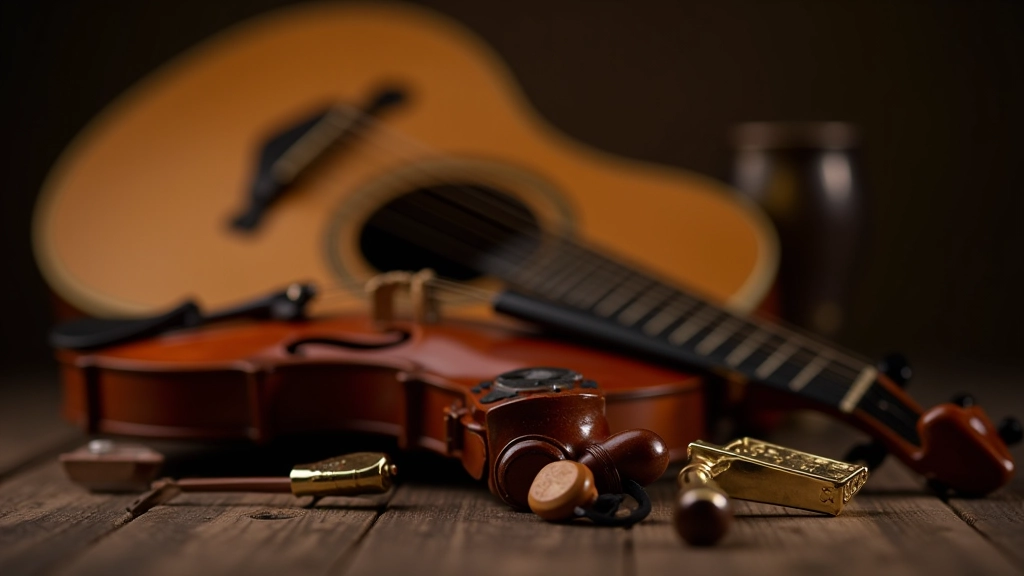
Preparation is minimal but important. Show up with your instrument in tune and in working order. Bring a tuner if you don't have one memorized by ear — most players have one anyway. A capo's useful if you play guitar. A music stand isn't necessary (most folk musicians play from memory) but some people bring one for reference.
Wear something comfortable. You might be sitting for 2-3 hours playing. Bring water. Some sessions have a break for tea and chat — nice moment to reset. Know a few tunes if possible. Even one or two is enough. Doesn't matter if you're rusty.
Before You Go
Session Etiquette and What to Expect
Folk jams have their own culture and unwritten rules. It's not complicated, but understanding them makes you a better session musician and helps you fit in naturally.
Listen more than you play at first. Especially in your first few sessions. You're learning the repertoire, the rhythm, the feel of how this particular group jams. Sit back, play quietly, and absorb. After a few visits, you'll feel confident joining in more.
One person — usually someone experienced — starts a tune. Everyone else listens to a full round (called a verse in instrumental music). Then you join in on the next round if you know it. If you don't, you sit out that tune. No shame in that. The next tune might be one you know.
Keep your volume proportional. If you're playing fiddle, you don't need to bow loudly over the guitars. If you're on guitar, strum clearly but not aggressively. The goal is blend, not dominance. Folk sessions sound best when everyone's in balance.
Don't try to "fix" other players or suggest different tunes. Let the session flow. If someone plays a tune slightly differently than you learned it, that's fine. Folk music has many variations. This isn't a classical performance where everyone plays exactly the same.
Contributing as a Learner
One of the beautiful things about folk jams is that learners are genuinely welcome. You're not intruding. Most experienced players remember being where you are — nervous about whether they're good enough, unsure if they belong.
Here's what you can do even if you're still learning. If you play guitar, you can learn about 10 common tunes and the keys they're played in. Strum along quietly on rhythm. You don't need to play every chord perfectly. Guitarists anchor sessions. If you're on a melodic instrument like tin whistle or fiddle, focus on learning 5-10 basic tunes really well. When those tunes come around, you'll be ready.
Ask experienced players for tune recommendations. Most are delighted to help someone learning. They'll suggest tunes that are beginner-friendly or teach you how to play something you've heard. That's how folk traditions survive — through this kind of mentoring.
"I was terrified my first night. Didn't play a single tune. Just listened for two hours. But people were so encouraging. By week three, I was playing along on rhythm. Now, eighteen months later, I'm leading tunes. It's transformed how I feel about my playing."
— Bridget, tin whistle player
Your First Session
The hardest part is showing up the first time. You'll feel nervous. You might doubt whether you're good enough. That's completely normal. But folk jam nights aren't about being perfect. They're about community and shared love of music. Every person there was a beginner once.
Walk in with your instrument. Sit in the circle. Listen. Play when you can. Be humble and kind. You'll find that musicians are generally generous people who remember what it felt like to be new. Within a few sessions, you'll recognize faces. You'll know some tunes. You'll feel like you belong.
Folk music is meant to be shared. That's why sessions exist. So pick up your instrument, find a jam night near you, and join in. The music's waiting for you.
Ready to Start?
Search for "folk jam sessions" plus your town or county. Check local music venues. Ask at your music shop. You'll find one. And when you do, show up ready to listen, learn, and play.
About This Guide
This article is an educational resource about folk jam sessions and traditional music participation. Session formats, etiquette, and what's expected can vary by location and venue. We've described common practices, but your local session might have its own traditions and preferences. When you visit, observe the group's dynamics and don't hesitate to ask the experienced players about how they prefer things to work. Everyone's welcome, but respecting each session's particular culture makes for better music and a better experience for everyone.
Related Guides